

Do you want to duplicate a WordPress page built with Elementor without rebuilding its layout? Install a page-duplication plugin, choose your page under Pages > All Pages, and create a copy. Set the duplicate to Draft before editing it with Elementor. You can then update the text, design, slug, and links without replacing the live page.
Quick Answer
For most self-hosted WordPress sites, use a page duplication plugin: install it, set copies to Draft, and choose Duplicate This under Pages > All Pages. Elementor Host sites may also offer a built-in Duplicate Page action. A saved Elementor template is another no-extra-plugin option.
The steps below explain how to install the Duplicate Page plugin, check its settings, copy a page, and publish the edited draft. You will also see the Elementor Host shortcut and a template-based alternative.
Key Takeaways
- Duplicating an Elementor page lets you reuse a layout instead of rebuilding it from scratch.
- Configure your duplication plugin to create drafts. Its output status can depend on your settings.
- Rename the copy, check its permalink, update links and forms, and review mobile layout before publishing.
- Old duplicate drafts should be deleted when they are no longer needed to keep your WordPress dashboard clean.
At a Glance
| Time Required | A few minutes to clone; allow extra time to review content and links |
|---|---|
| Difficulty | Beginner-friendly |
| Tools Needed | WordPress dashboard access, Elementor, and a duplication plugin (or Elementor templates) |
| Cost | Usually free when using a free page duplication plugin |
Why You Should Duplicate Your Elementor Pages
Elementor pages can contain containers, widgets, spacing, fonts, images, and responsive settings. A duplicate gives you a starting point with much of that design already in place. Still, review dynamic content and shared widgets after copying.
- Save Time: Avoid building complex layouts from scratch every time you create a similar page.
- Maintain Consistency: Cloned pages generally retain the original structure and styling, subject to plugin compatibility and site settings.
- Test Safely: Create a draft copy to experiment without overwriting the live page. Avoid editing linked global elements unless you intend to change every instance.
- Improve Efficiency: Speed up client projects by reusing proven design patterns.
- Reduce Design Errors: Keep spacing, fonts, colors, and section structure consistent across related pages.
Pro Tip: Duplicate your best-performing page first, then adjust the copy, images, and call-to-action for the new purpose. This keeps your design quality high while reducing production time.
Install the Duplicate Page Plugin
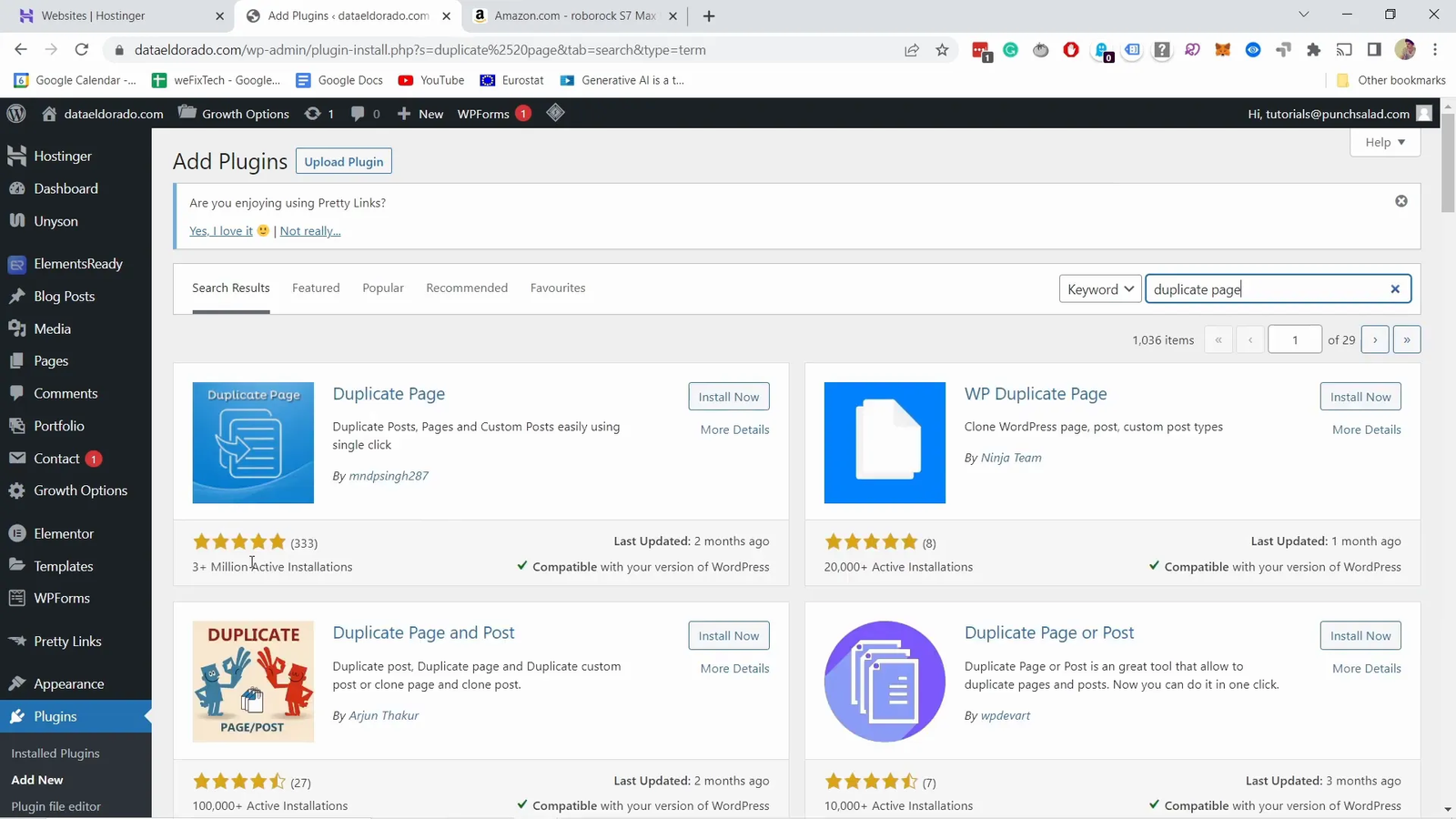
On a standard WordPress installation, the Duplicate Page plugin adds a cloning action to the Pages list. Look for Duplicate Page by mndpsingh287 so you select the intended plugin. Its May 2026 update addressed an issue that could prevent Elementor layouts from being preserved. Keep the plugin updated and check the result after cloning.
Follow these steps to set it up:
- Log in to your WordPress dashboard.
- Navigate to Plugins and click Add New.
- Search for Duplicate Page in the top right search bar.
- Choose Duplicate Page by mndpsingh287 and confirm its compatibility and update information on the plugin listing.
- Click Install Now.
- Click Activate to enable the plugin.
Note: Before installing any plugin, check when it was last updated and whether it is compatible with your WordPress version. Keeping plugins current helps reduce layout, security, and performance issues.
Check the Plugin Settings Before Cloning
After activating Duplicate Page, open Settings > Duplicate Page and review the available options. Settings can differ by plugin and by free or paid edition.
Look for settings such as:
- Copied page status: Draft is usually the safest option because it keeps the duplicate private while you edit.
- Copied title format: A prefix or suffix may be available in some plugins or paid editions. Rename the copy manually if your edition lacks this option.
- Editor support: Make sure the plugin works with pages built with Elementor.
- User permissions: Check WordPress user capabilities. Some plugin editions offer extra role controls; publishing permission is managed separately.
Warning: Before cloning, set the copy status to Draft. Other available statuses can make a copy public immediately. Before publishing, check the title, slug, page template, forms, internal links, and SEO fields.
Find the Page You Want to Copy
Once the plugin is active and configured, look for its clone action in your Pages list.
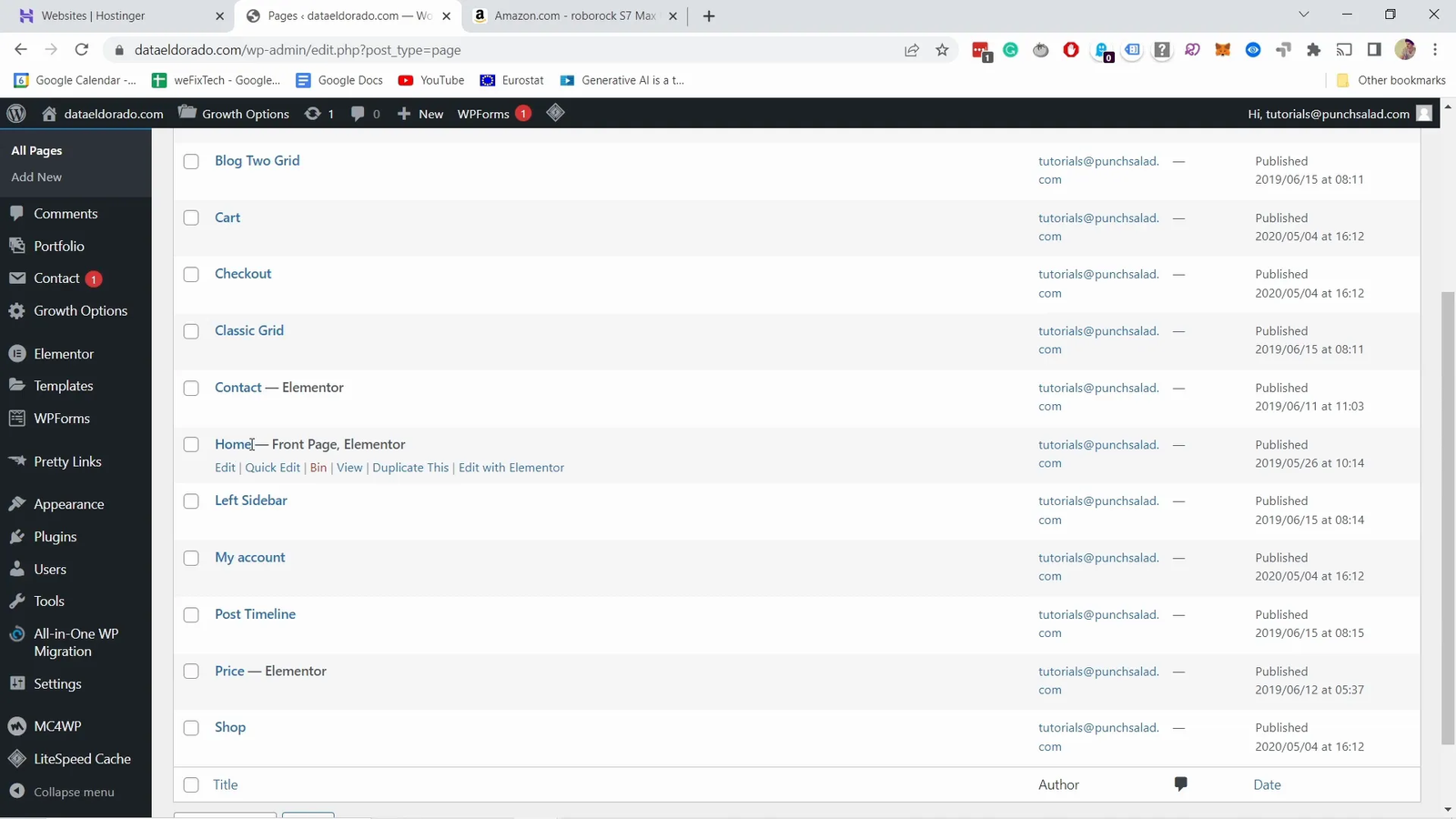
- Go to Pages in your dashboard sidebar.
- Select All Pages to view your site structure.
- Locate the page you need to replicate.
- Hover your mouse over the page title.
With the Duplicate Page plugin, look for Duplicate This below the page title. If you do not see it, check the plugin settings, activation status, and your account permissions.
Clone Your Page with One Click
The clone action is quick, but check the copy status before you open or share the new page.
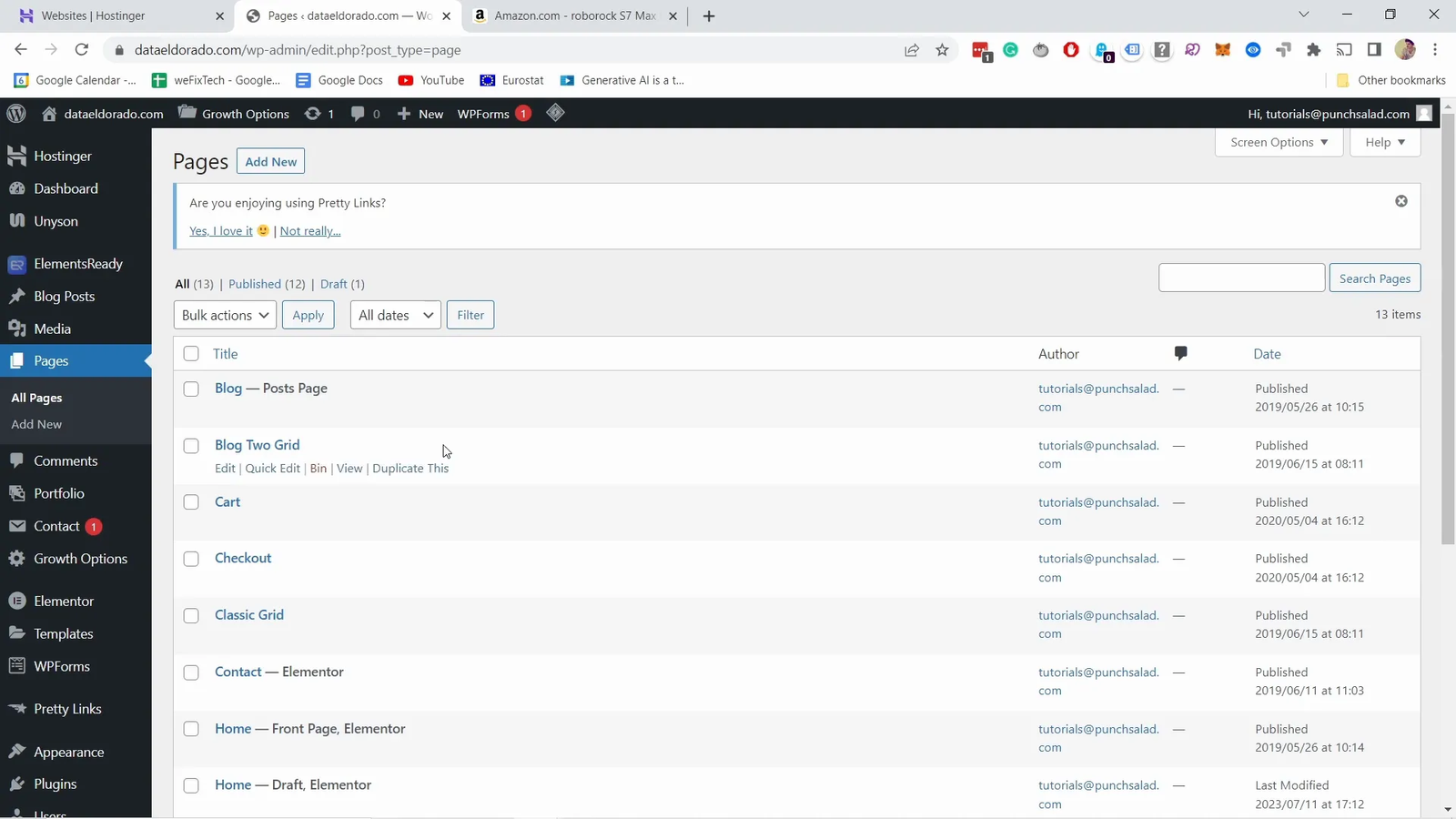
- Click the Duplicate This link below the page title.
- The plugin creates a copy in the status selected in its settings. For this guide, choose Draft.
- Find the new version in Pages > All Pages and filter by Draft if needed.
- Open the draft only after you confirm it is the copied version, not the original live page.
The plugin is designed to copy the page content and Elementor data. Check the duplicate in Elementor because third-party widgets, dynamic data, or incompatible plugin versions can require extra work.
Rename Your Drafted Page
Organizing your workspace prevents errors during editing and publishing. A copied page may keep the original title, so rename it before you start changing the content.
- Locate the new draft in the All Pages list.
- Click Edit to open the WordPress editor.
- Give the page a clear, unique title, such as Web Design Services. The dashboard already labels the status as Draft.
- Check the permalink or slug and update it so it matches the new page topic.
- Click Save Draft or Update, depending on the editor and current status.
Note: The page title and URL slug are separate fields. Change both as needed. Also check the parent page and page template, which can affect the final URL or layout.
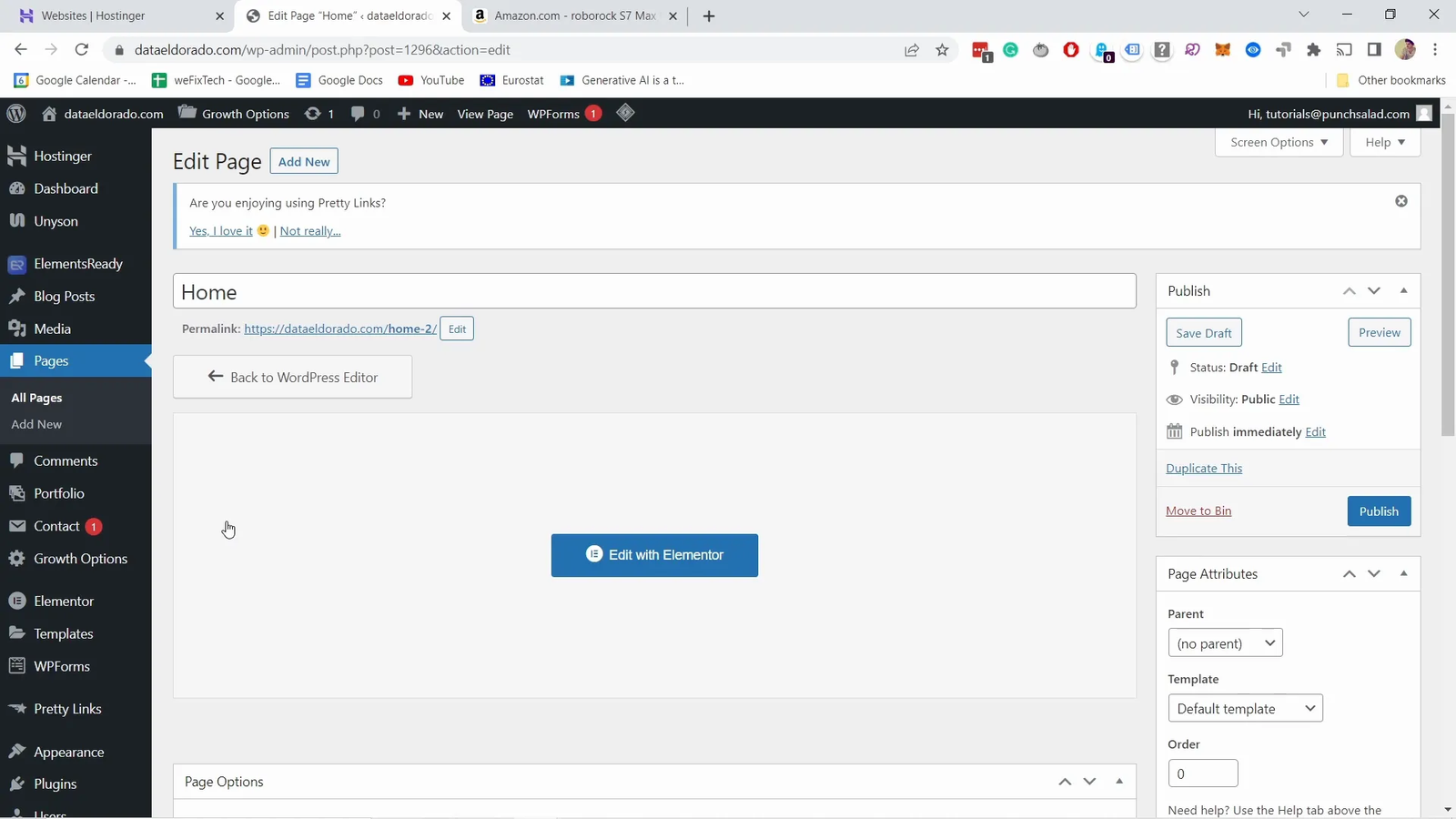
Edit Your Page with Elementor
Edit the new draft rather than the published original. Most page-level changes remain separate, but linked global widgets, shared templates, and global site settings may affect more than one page.
- Open your new draft page in the dashboard.
- Click Edit with Elementor to launch the page builder.
- Replace the old headings, body text, image choices, button links, form destinations, and calls to action. Check dynamic tags and global widgets before changing them.
- Preview your work frequently to check desktop, tablet, and mobile views.
- Save the draft while you work; publish only after completing the checks below.
Note: If the original uses an Elementor global widget or a shared template, changing the shared item can affect other pages. Unlink it when you need an independent version.
Review Important Items Before Publishing
A duplicated Elementor page can look ready at first glance, but copied content may still contain details from the original page. Review the full page before publishing.
- Page title: Make sure the title matches the new topic.
- Permalink: Update the slug so it is clear and relevant.
- Buttons: Check every button link and call-to-action.
- Forms: Test contact forms, opt-in forms, and redirect settings.
- Images: Replace old visuals if they do not match the new page.
- Mobile layout: Preview tablet and mobile versions inside Elementor.
- SEO fields: If you use an SEO plugin, update the SEO title, description, focus keyword, and canonical URL where applicable.
- Duplicate content: Replace copied text with content that genuinely fits the new page. Do not publish two near-identical pages for the same search intent.
- Page settings: Check the page template, parent page, featured image, menu placement, and any visibility or indexing settings.
- Shared components: Review global widgets, reusable templates, dynamic tags, popups, and integrations for unintended shared changes.
Pro Tip: Keep a short publishing checklist for duplicated pages. It helps you catch copied links, old testimonials, outdated pricing, and wrong contact details before visitors see them.
Publish or Schedule Your Content
Once the review is complete, publish the new page or schedule it from WordPress. If you still need approval or testing, leave it as a draft.
- Publish Now: Confirm the page status is Draft, then use Publish when the new page is ready.
- Schedule: Use the WordPress editor settings to select a future date and time for publication.
- Save as Draft: Use Save Draft to keep it unpublished while you work. This does not make a draft a secure private preview for external visitors.
- Preview First: Use preview mode to check the final layout before visitors can access it.
How to Organize Page Drafts Effectively
Frequent cloning can leave many drafts in the dashboard. Use clear titles and dates in internal notes or draft titles so your team can distinguish versions.
Review unused drafts periodically. Move only confirmed, unneeded copies to Trash, and make a backup before removing pages that may hold valuable work.
Helpful naming examples include:
- Services Page – Draft June
- Homepage Test – Mobile Layout
- Landing Page Copy – Fall Campaign
- About Page Backup Before Redesign
Alternative Method: Save an Elementor Page as a Template
If you want to reuse a layout without an additional duplication plugin, save it as an Elementor template. Templates also work well when you plan to reuse a design across many future pages.
Open the original in Elementor, use the arrow beside the Publish or Update control, and select Save as a Template. Name and save the template. Next, create a new WordPress page, open it with Elementor, select the library folder icon, choose My Templates, and insert your saved layout. Check any options for importing page settings, then save the new page.
- Use page duplication when you need a complete draft copy of one existing page.
- Use Elementor templates when you want reusable design blocks for future pages.
- Use both if you manage many related pages and want faster production with consistent branding.
- Use an Elementor Host shortcut if your site supports it. In Elementor Editor > Settings > Features, enable Improved Page Actions Layout; then go to Pages, open More Options for a page, choose Duplicate Page, and select Done. This feature is documented for Elementor Host sites, not general third-party hosting.
Troubleshooting Common Duplication Problems
Most Elementor page duplication issues are easy to fix. If the copied page does not look right, check these common problems first.
- The Elementor layout looks broken: Confirm the duplicate plugin is updated, then compare the page template and widgets with the original. Back up the site before using Elementor > Editor > Home > Tools > Clear Files & Data. Clear any plugin, server, and browser caches afterward.
- The duplicate does not appear: Check the Draft, Pending, Private, and Published filters. The page status follows your duplication settings.
- The clone option is missing: Verify that the plugin is active, that you can edit the page, and that its clone-link settings allow the action to appear. The Elementor Host shortcut is a separate feature.
- Buttons still point to the old page: Edit each button and replace copied URLs with the correct new links.
- The page has the wrong slug: Update the permalink before publishing the duplicate.
- Forms send to the wrong place: Review form recipients, actions, redirects, and integrations; then send a test submission if appropriate.
Warning: Confirm the page title, URL, and Draft status before editing. For a business-critical page, keep a backup or use a staging site. Duplication is not a replacement for a full backup.
Why Professional Design Matters for Site Success
Using a consistent layout can make related pages feel familiar and easier to navigate. A duplicate is only a starting point: the copy still needs accurate information, accessible headings, and clear calls to action.
- Build Trust: Polished designs show visitors that your business is organized and reliable.
- Improve Engagement: Clear layouts guide users toward your main goals, such as booking, calling, subscribing, or buying.
- Strengthen Identity: Consistent fonts, colors, images, and spacing make your brand easier to remember.
- Reduce Friction: Familiar page layouts help visitors understand where to look and what to do next.
Recommended Practices for Elementor Users
Use these habits to keep copied pages easier to maintain, especially when several people edit the same website.
- Use Reliable Hosting: A fast host helps your page builder load smoothly and keeps the editing experience more responsive.
- Optimize Your Images: Compress large visuals before uploading them so your duplicated pages do not become slow.
- Monitor Plugin Usage: Only keep plugins you actually use to support better performance and security.
- Update Carefully: Keep WordPress, Elementor, your theme, and plugins updated, but make backups before major changes.
- Use Templates Wisely: Save reusable sections as Elementor templates when you need the same design across many pages.
- Check Responsiveness: Test narrow screens because copied desktop layouts may need spacing adjustments.
- Review Accessibility: Keep heading order logical, write clear link text, check contrast, and add meaningful image descriptions.
Frequently Asked Questions
Can I duplicate an Elementor page without a plugin?
Yes. Save the original layout as an Elementor template, create a new page, and insert it from My Templates. Elementor Host sites may also have a dedicated Duplicate Page dashboard action.
Will duplicating a page change the original?
Editing the new page normally leaves the original page content unchanged. Shared global widgets, templates, and site-wide settings are exceptions, so check those before editing.
Why is the Duplicate This option missing?
Check that Duplicate Page is installed and active. Confirm your account can edit the page and review the plugin’s settings. If you use a different plugin, its clone link may have another name.
Does the duplicate automatically become a draft?
Not always. Duplicate Page supports several copy statuses. Choose Draft in its settings before making a copy, then verify the new page’s status.
Will copying a page hurt SEO?
A private draft does not create a second publicly indexable page. Before publishing, give the copy a distinct purpose, useful content, and a unique URL. Review SEO metadata and canonical settings to avoid competing near-duplicate pages.
Mastering Efficient Page Management
Duplicating a page gives you a faster starting point, whether you use the Duplicate Page plugin, an Elementor template, or an available Elementor Host shortcut. Each approach still needs a careful review before launch.
Start with one page. Make a draft, rename it, replace the old copy, test the forms and links, and review its mobile view. Publish the new version only when it serves a different purpose from the original.
Sources
- WordPress Documentation — general WordPress dashboard and page management guidance
- Elementor Help Center — Elementor editing, templates, and page builder support
- Duplicate Page Plugin — plugin features, setup, and changelog
- Elementor Host Page Duplication — dashboard method for eligible hosted sites
- Elementor Template Duplication — how to save and insert a page template
- Elementor Clear Files & Data — official layout troubleshooting instructions
Last Updated on October 31, 2026 by Logan Carter




Comments